
Prevention of plant problems and early intervention is more effective and economical than waiting for advanced conditions to develop before taking remedial action. A plant wellness program relies on establishment and maintenace of good growing conditons, soil and water management, with regular inspections, anticipation of potential plant problems, and utilizing early intervention with bio-rational methods and materials for suppression of pest and disease conditons when needed.

Organic matter, such as decomposed plant and animal material and stable humus, is a vital component of fertile soil. It improves soil structure, water retention, and nutrient availability. Organic matter also supports microbial activity, which is crucial for nutrient cycling and overall soil health.
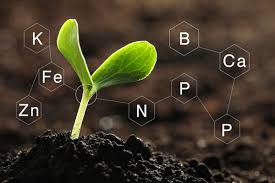
Essential minerals, including nitrogen (N), phosphorus (P), potassium (K), calcium (Ca), magnesium (Mg), sulfur (S) and micronutrients, as well as trace elements, are required for plant growth and development. These minerals are obtained by plants from the soil solution through root zone processes and microbial activity, and are crucial for various biochemical processes within the plant.

Soil pH (acidity/alkalinity) influences nutrient availability and microbial activity. Most plants prefer a slightly acidic to neutral pH range (around 6.0 to 7.5), although specific preferences and tolerances vary among plant species. Maintaining soil pH within the optimal range can enhance nutrient uptake and overall plant health.
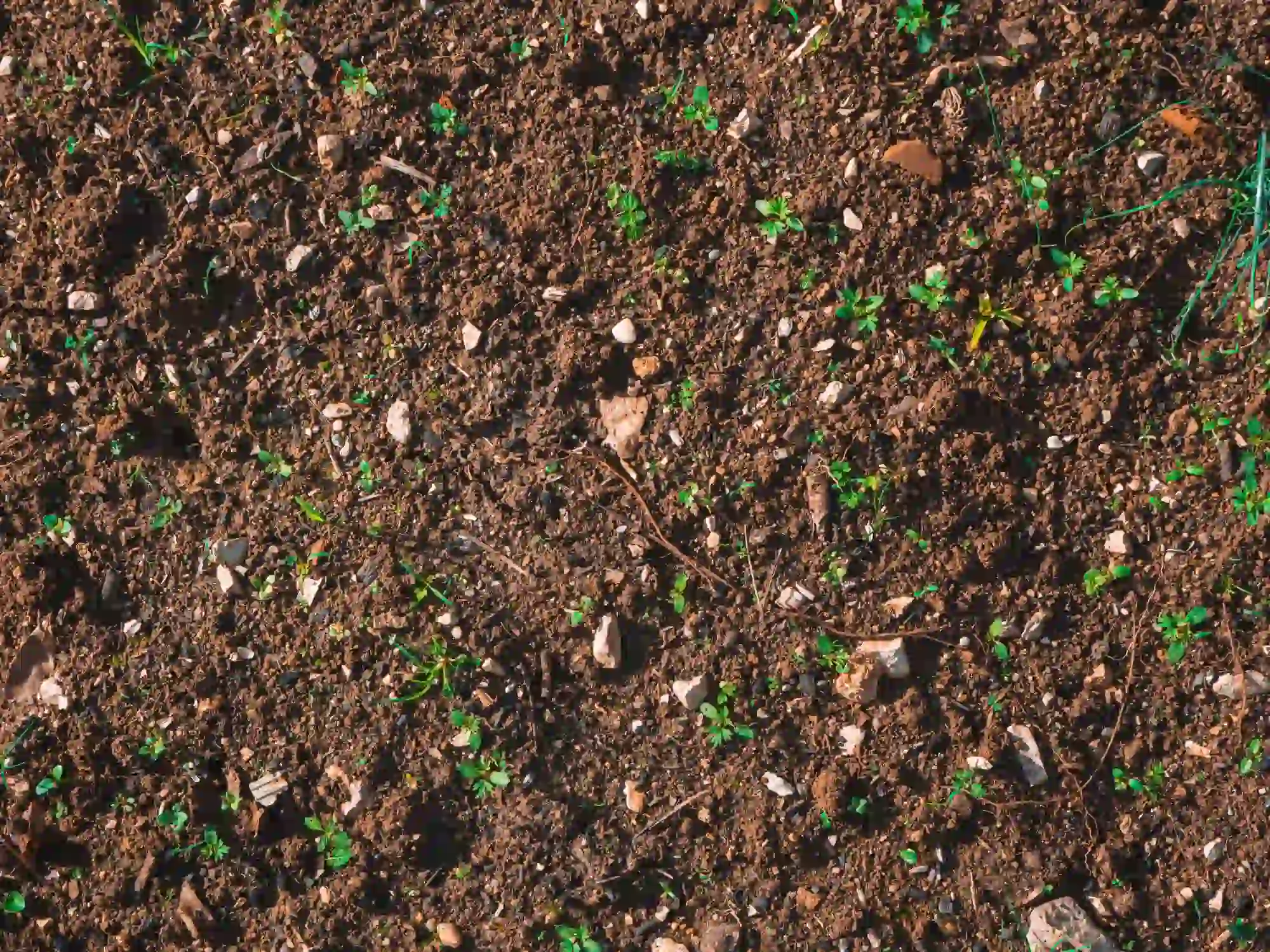
Soil texture refers to the relative proportions of sand, silt, and clay particles. Ideal soil texture, often referred to as loam, contains a balanced mixture of these particles, providing good drainage, water retention, and aeration. Soil with a loamy texture facilitates root growth and nutrient exchange.
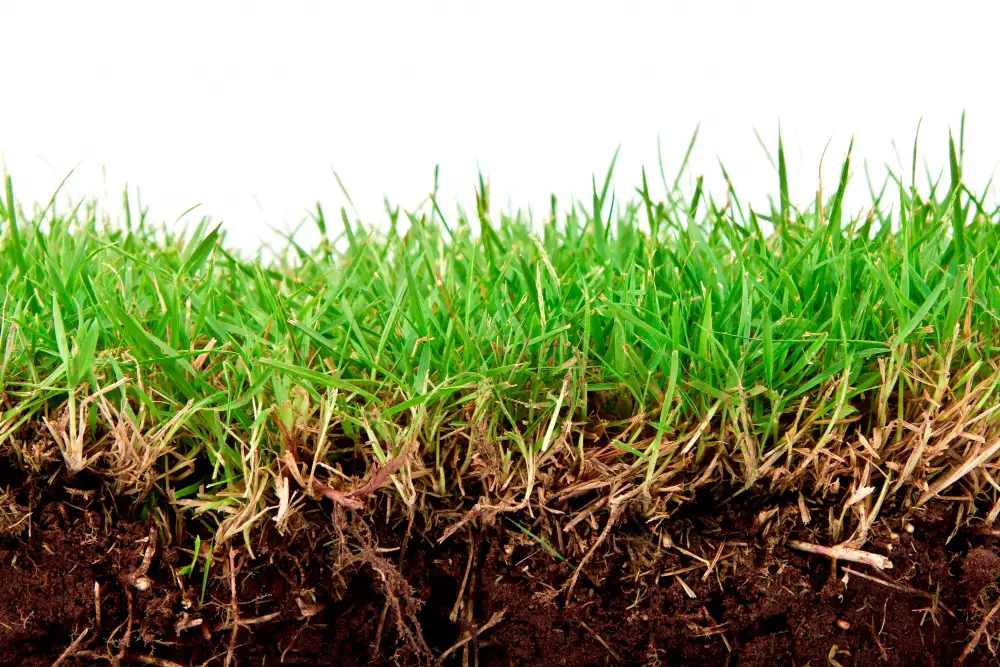
Soil structure refers to the arrangement of soil particles into aggregates or clumps. Well-aggregated soil has good porosity, allowing for air and water movement, root penetration, and microbial habitat. Soil structure influences water infiltration, erosion resistance, and nutrient availability.
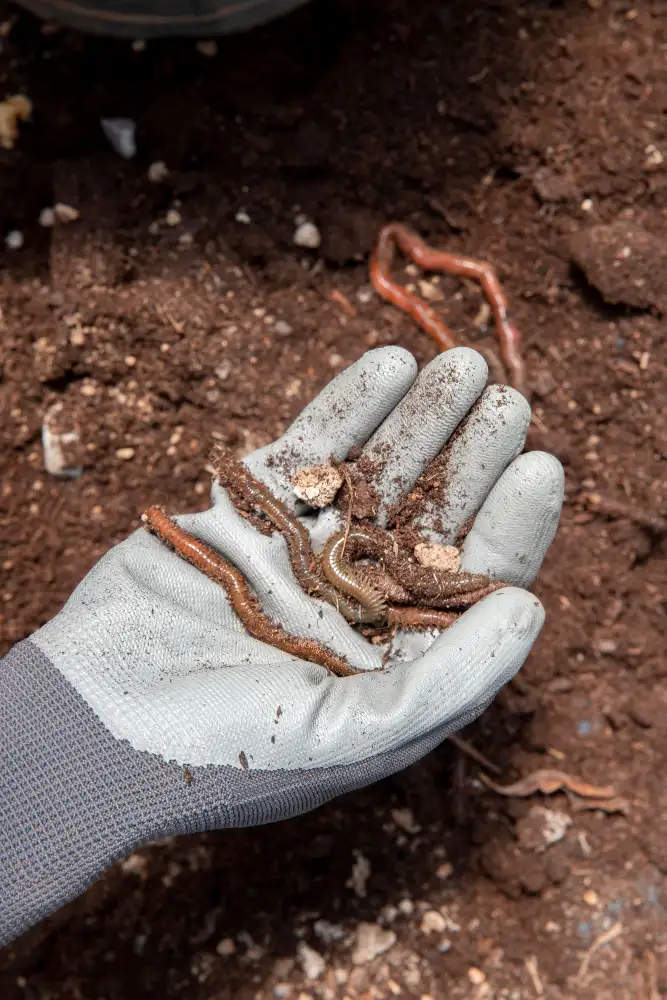
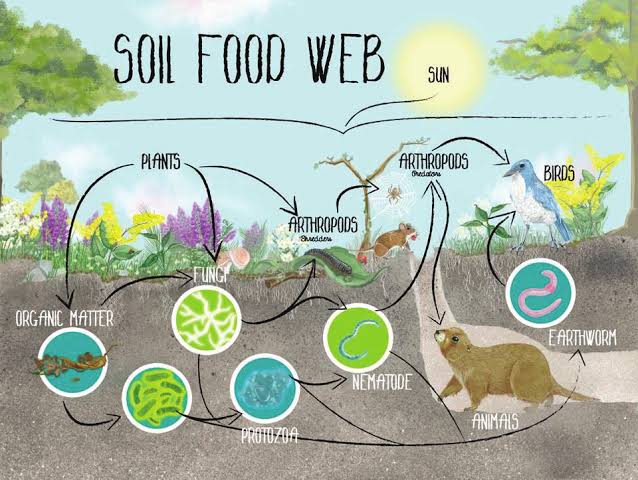
Soil microorganisms, including bacteria, fungi, protozoa, nematodes and micro-arthropods, play a vital role in nutrient cycling, organic matter decomposition, and disease suppression. Healthy soil supports a diverse microbial community that contributes to soil fertility and plant health.
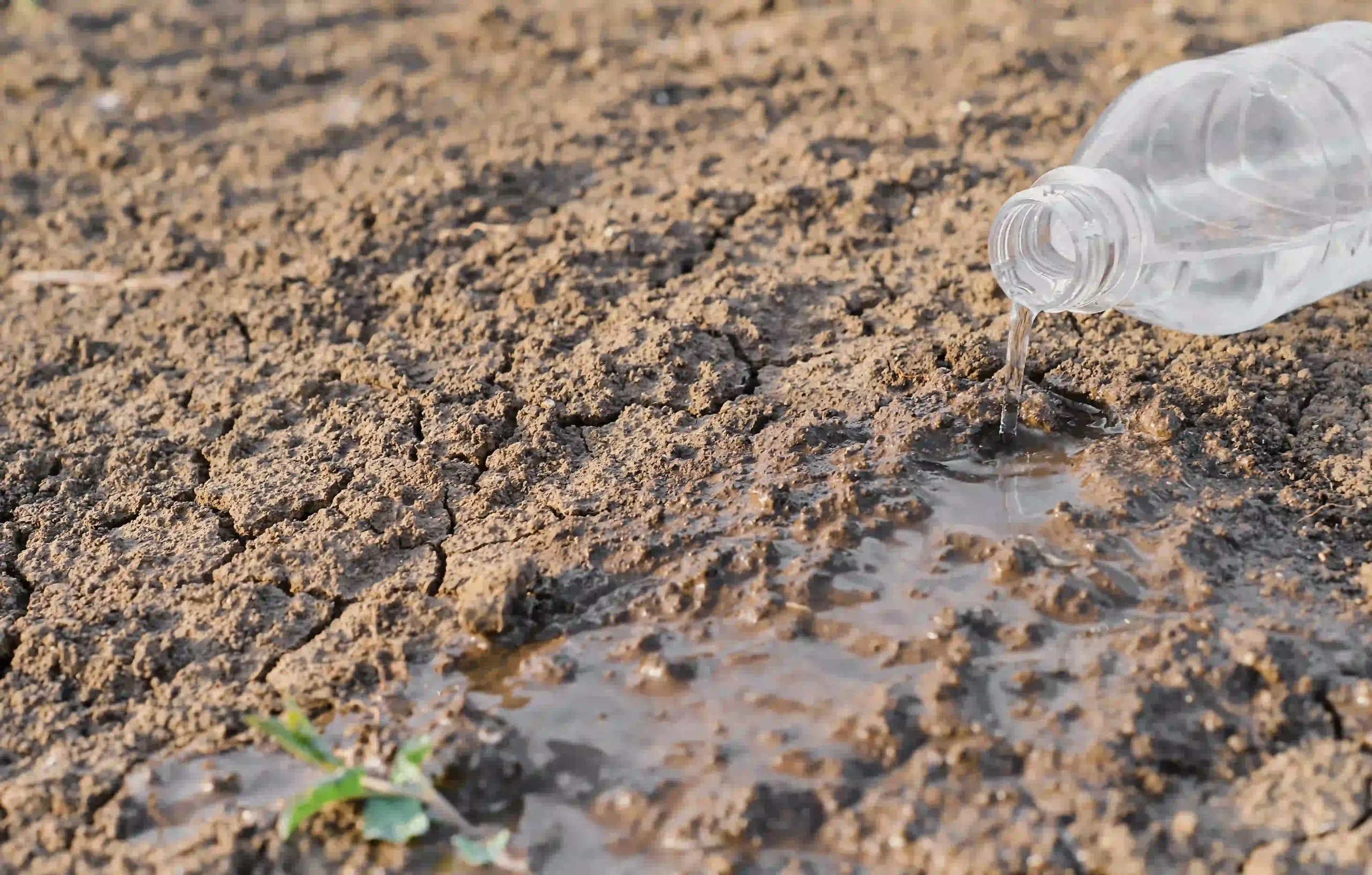
Soil's ability to retain moisture is crucial for plant growth, especially during dry periods. Soil with good water holding capacity ensures adequate moisture availability to plants between rainfall or irrigation events.
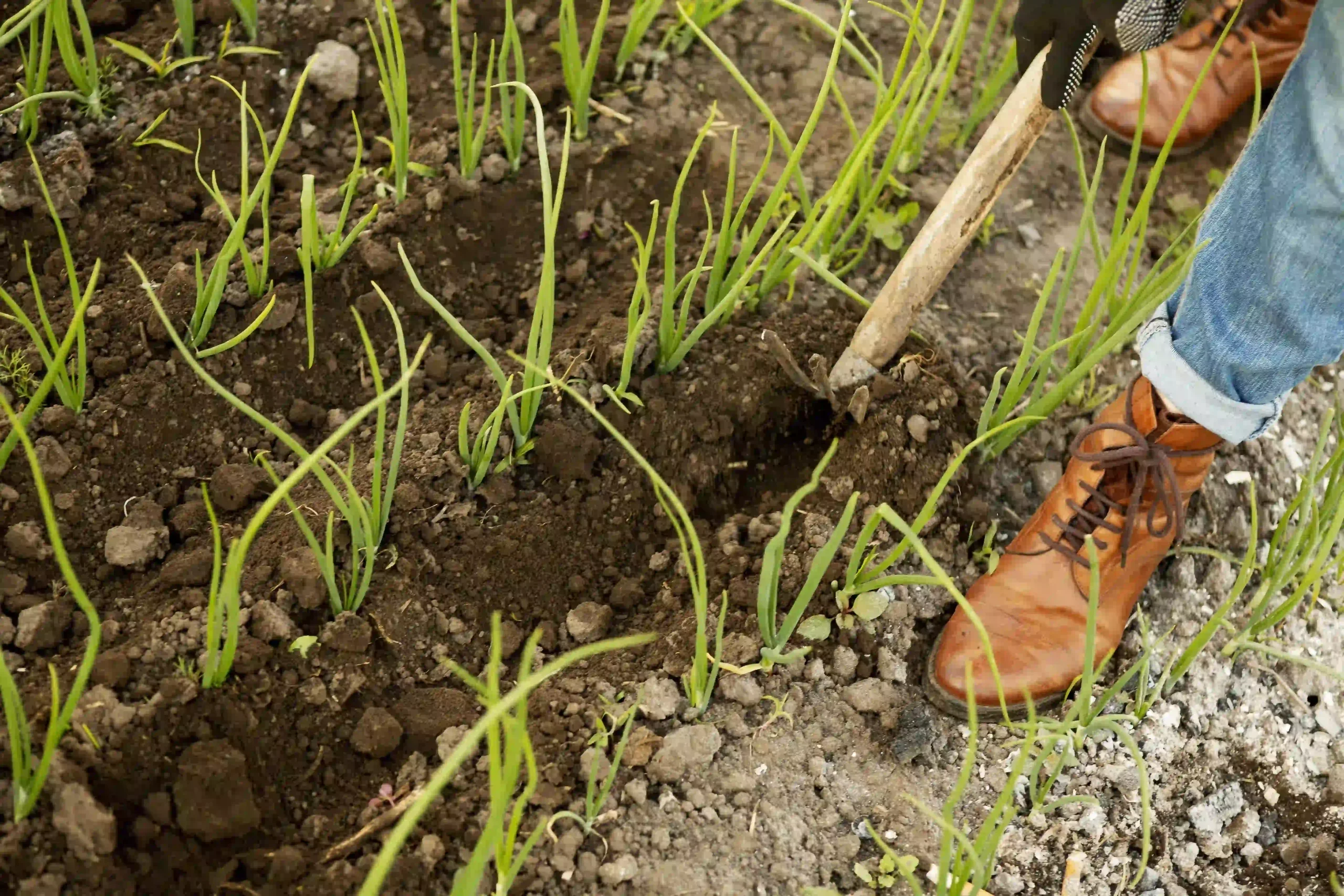
Adequate soil aeration is necessary for root respiration and the exchange of gases between the soil and the atmosphere. Compacted or waterlogged soil can limit root growth and oxygen availability, negatively impacting plant health and productivity.

By maintaining these components in balance, farmers and gardeners can create and sustain fertile soil that supports robust plant growth, high yields, and overall ecosystem health. Amendments and management practices, such as composting, crop rotation, cover cropping, and mulching, can help enhance soil fertility over time.
Soil analysis systems play a crucial role in understanding soil health and fertility, aiding in agricultural productivity and landscape management. Here’s a comparison of some commonly used systems (there are others and variations not covered here) :
Focus: SLAN primarily focuses on the levels of available nutrients, whereas BCSR looks at the balance of specific base cations, and the Haney Test assesses overall soil health, including biological activity. The Soil Food Web analysis is specific for microbiome assessment.
Depth of Analysis: SLAN typically provides a basic analysis of nutrient levels, while BCSR delves into the balance of base cations, and the Haney Test offers a more holistic view by considering microbial activity, organic matter, etc.
Application: SLAN and BCSR are often used in conventional agriculture for nutrient management and soil fertility improvement. The Haney Test is gaining popularity, especially in sustainable agriculture and regenerative farming practices, where soil health and biodiversity are prioritized.
Complexity and Cost: SLAN is relatively straightforward and cost-effective, while BCSR requires more nuanced interpretation and analysis. The Haney Test is the most comprehensive but also the most complex and expensive of the three options.
Regenerative Agriculture, as promoted by Kiss the Ground advocates, The Soil Food Web School and Advancing Eco Agriculture, as well as others, represents a modern movement away from pure chemical soil analysis toward a primary consideration of the soil biology and related processes, and how the microbiome is affected positively or negatively by management of the growing conditions, methods and materials.
Don’t miss this key perspective on soil food web and regenerative agriculture:
Changing Agronomy with Biology – John Kempf, AEA
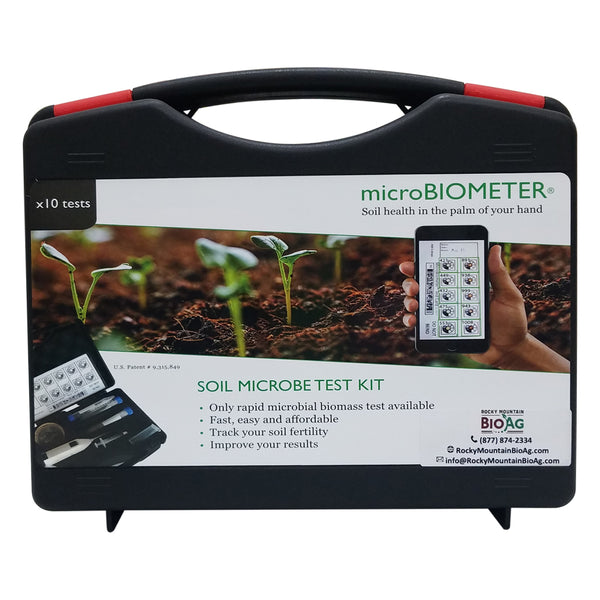
Improving the health of your soil is essential to increasing your output, but how can you tell if you are making progress? Research shows that microbial biomass (fungi and bacteria) is the leading indicator of soil health. Living soil fixes nutrients, improves plant immunity, stores water more efficiently and builds soil structure, therefore, a healthy level of microbes increases productivity while reducing inputs.